The Japanese drama “Involvement in Family Affairs” (2022) is a powerful and moving story. It explores the complex relationships between family members. The story is based on the manga series “Yangotonaki Ichizoku” by Yukari Koyama. It was first published on June 24, 2017 in the manga magazine Kiss. The show explores themes of love, loss, betrayal, and forgiveness. It presents these themes in a way that is both relatable and thought-provoking.
Sato Shinohara (Tao Tsuchiya) is an ordinary single woman. She runs an inexpensive restaurant with her mother Yoshie Shinohara (Mako Ishino). Her boyfriend is Kenta Miyama (Kouhei Matsushita). He has a bright personality with a warm heart. One day, Kenta Miyama proposes to her and she accepts. Kenta Miyama tells her that he is the second son of a reputable family with a 400 year history. This makes Sato Shinohara worried about the differences in their families. Kenta Miyama reassures her that there is nothing to worry about. Yet, Kenta Miyama’s parents oppose their marriage. Sato Shinohara and Kenta Miyama decide to get married anyway. Will their love last?

One of the things that makes “Involvement in Family Affairs” so special is its realistic portrayal of family dynamics. The characters are flawed and complex, and they make mistakes just like real people do. This makes it easy for viewers to connect with them and to feel their emotions. What if Cinderella and Prince Charming had to fight the royal palace for the right to have their love?
The show also does a great job of exploring the different ways that family members can interact with each other. Some of the relationships in the show are loving and supportive, while others are more complicated and fraught with tension. This variety makes the show feel authentic and believable. And the Struggle of the main Characters to change an emotionless family to a standard warm family.
Besides its strong characters and realistic storylines, “Involvement in Family Affairs” is also visually stunning. The show is set in the unknown, rich side of Japan, and the cinematography is simply breathtaking. The scenery is used effectively in the show. It helps to create a sense of peace and tranquillity.
“Involvement in Family Affairs” is a beautiful and moving drama. It is sure to stay with you long after you’ve finished watching it. If you want a show that will make you think about your family relationships, this show is for you. Available on VIKI.
How the show reflects society
The show reflects society in several ways. For example, it shows how family relationships can be both loving and supportive, but also complicated and fraught with tension. It shows how people can make mistakes and hurt each other. However, it is possible to forgive and move on.
The show also reflects the changing nature of families in Japan. In recent years, the traditional nuclear family has declined. More people are living in single-parent households or blended families. The show explores these changes and how they impact family relationships.
“Involvement in Family Affairs” is a powerful and moving drama. It offers a unique perspective on family relationships in Japan. It is a show that will stay with you long after you have finished watching it.
⭐ Emoji Ranking – Involvement in Family Affairs (2022)
- 💕 Romance: 💕💕 (2/5) – Romance is not the central theme, though relationships and hidden desires surface.
- 👻 Creepy factor: 👻👻👻 (3/5) – Dark undertones, secrets, and tense family dynamics add an unsettling layer.
- 🔥 Action: 🔥 (1/5) – Very little action; the story is psychological and dialogue-driven.
- 😭 Drama (Emotional impact): 😭😭😭😭 (4/5) – Heavy emotional weight, exploring betrayal, family secrets, and taboo.
- 🌸 Popularity: 🌸🌸🌸 (3/5) – This drama is niche but buzzworthy in Japan. It appeals to fans of suspense and adult family stories.
Cultural reading recommendation:
Family relationships and social expectations are central themes in many Japanese dramas. For readers interested in understanding the everyday family dynamics and cultural background often reflected in stories like Involvement in Family Affairs, this guide offers accessible insight into Japanese family life and traditions.

You can explore Japanese Family & Culture for further cultural context here.
Other posts from Jdrama and Jdrama categories:

Gordon Maeda: A Career Beyond the Family Name
#GordonMaeda #JapaneseActors #Jdramatastic Japanese cinema has a long history of acting families, and Gordon Maeda belongs to one connected with action star Sonny Chiba. However, with roles spanning romance, investigative television and manga adaptations,…

Japan Spotlight: October 2026
#JapaneseEntertainment #JDrama #JapanSpotlight Japanese entertainment has always depended on public image, but this month’s stories reveal how quickly that image can be challenged, copied, or carried beyond Japan. Between an agency’s response to online…

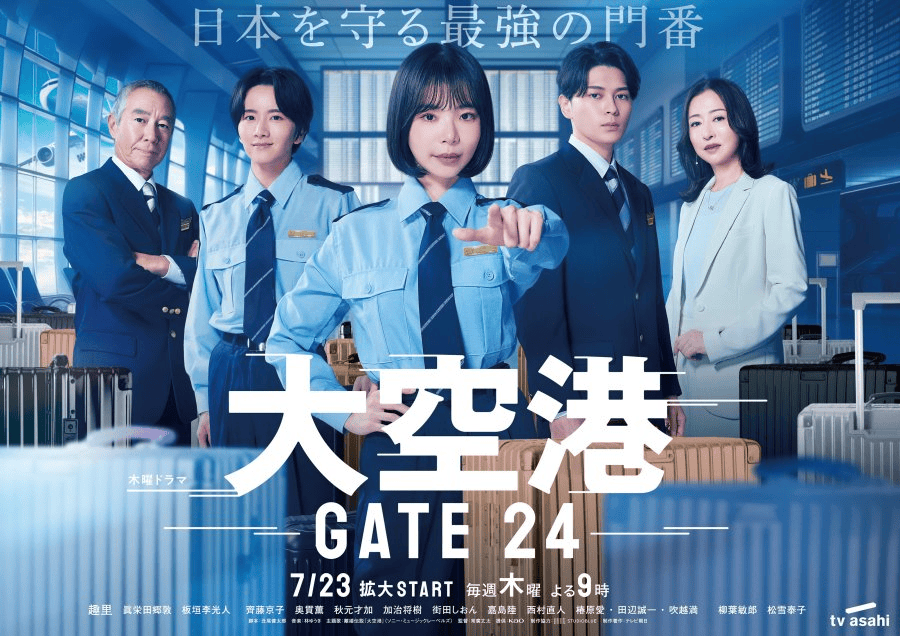
GATE24 J-Drama Versus Japan’s Real Border System
Where the 2026 airport drama reflects reality—and where television takes control #GATE24 #JapaneseDrama #JapanImmigration An airport border can look deceptively simple from the passenger side: present a passport, collect a suitcase and walk through…

Mio Imada: From Fukuoka to Leading Star
#MioImada #JapaneseActress #JDrama Japanese television has a long tradition of turning regional talent into nationally recognized stars, but only a small number of performers successfully move from local advertising work to leading major prime-time…

The Complex Lessons of Mr. Hiiragi’s Homeroom: Truth and Consequences
#MrHiiragisHomeroom #JDramaReview #JapaneseDrama Mr. Hiiragi’s Homeroom begins with an act that appears impossible to defend. Ten days before graduation, art teacher Ibuki Hiiragi locks the 29 students of Class 3-A inside their school and…

J-Drama vs K-Drama: What Comes Next?
#JDrama #KDrama #AsianEntertainment For decades, Japanese and South Korean television developed within neighbouring but distinct entertainment systems. Japanese dramas grew around quarterly broadcast seasons, domestic television networks and Japan’s extensive media-mix culture. Korean dramas…

Masami Nagasawa: Roles, Fame and Awards
#MasamiNagasawa #JapaneseActress #JapaneseCinema For more than two decades, Japanese audiences have watched Masami Nagasawa grow from a teenage star into one of the country’s most versatile leading actresses. Some viewers first knew her through…

The Greatest Teacher: Beyond Bullying
#Jdrama #TheGreatestTeacher #JapaneseCulture Japanese school dramas typically feature inspirational teachers and rebellious students, often showcasing transformations through determination. However, The Greatest Teacher: One Year Later, I Was Attacked by a Student starts with this…
Discover more from Jdramatastic
Subscribe to get the latest posts sent to your email.