Japan’s traditional arts are a living part of the country’s culture. Their discipline and aesthetic values connect modern Japanese society to centuries‑old beliefs about beauty, nature and ritual. The arts listed here each developed in different historical periods, yet they all continue to evolve. Below is a tour through some of the most recognized Japanese arts. It highlights their origins and current practice. It also mentions places to experience them and festivals or matsuri where they are celebrated.

Japanese arts did not emerge in isolation. For centuries the archipelago was a conduit for continental influences. Buddhism and its iconography flowed into Japan from Korea and China in the 6th and 7th centuries. Chinese painting and calligraphy impressed the Heian court, and Zen Buddhism from China later inspired the tea ceremony. Scholars describe the development of Japanese visual culture as a series of cycles of assimilation, adaptation and reaction.
Periods of strong continental influence were followed by eras when uniquely Japanese tastes blossomed. A prime example is the Heian period’s distinctive court arts. Indigenous Shintō beliefs see spirits in natural phenomena. These beliefs also shaped the arts by encouraging reverence for natural materials. They promoted appreciation for seasonal change. Threads of historical significance include imported practices, local innovation, and a deep respect for nature. These threads weave together in the arts explored below.
Ikebana – the art of arranging flowers

Ikebana (生け花) is Japan’s sophisticated flower‑arrangement tradition. The art began in the sixth century. This practice started when Buddhism introduced the offering of flowers on altars. In the 15th century, a monk at Kyoto’s Rokkakudō Temple formalized a method of arranging flowers in tall vases. He emphasized minimal materials, line, and space. During the 16th‑century tea ceremony revolution, tea master Sen no Rikyū had an idea. The flower arrangement should complement the host’s simple aesthetic. Today there are more than 3,000 schools of ikebana. The oldest, Ikenobō, maintains its headquarters in Kyoto. Modern schools like Sōgetsu allow creative, sculptural expressions. Visitors can watch or learn ikebana at cultural centers in Kyoto, Tokyo and Osaka. Many museums host rotating ikebana displays.
The art is also celebrated at seasonal festivals. Kyoto’s Ikenobō Ikebana Exhibition in November showcases hundreds of arrangements by master teachers. Overseas festivals, like the Melbourne Ikebana Festival, highlight the art’s global appeal. This festival is held in September 2024 and will return in 2026.
Sadō – the Way of Tea

Japanese tea ceremony (茶道 sadō) evolved from Chinese tea‑drinking customs. Zen monks imported tea in the 9th century. Yet, the 16‑century tea master Sen no Rikyū distilled the practice into a meditative ceremony. This ceremony emphasizes rustic beauty and humility. During a tea gathering, the host shares a bowl of matcha with the guests. The tearoom is designed to heighten awareness of each object and movement. Various schools, like Urasenke and Omotesenke, still teach the ceremony today. Visitors can experience lessons at tea houses in Kyoto, Kanazawa, or Tokyo. They can also watch demonstrations. The Tokyo Grand Tea Ceremony takes place annually. It occurs in early October at Hama‑rikyū Gardens and in mid‑October at the Edo‑Tokyo Open Air Architectural Museum. The event brings together multiple tea schools. It offers outdoor and indoor ceremonies, including sessions in English.
Kabuki – classical theatre

Kabuki (歌舞伎) emerged in early 17th‑century Edo (now Tokyo). The art began when dancer Izumo no Okuni performed humorous, improvised dramas in the streets. By the 1620s, the shogunate banned women performers.
As a result, male actors took on both male and female roles. Kabuki combines dialogue, music and dance with elaborate costumes and stylized makeup. Revolving stages and a long runway (hanamichi) allow actors to interact with the audience. During the Meiji era, kabuki actors adapted their repertoire to appeal to the upper classes. Today, the art remains widely popular. Performances occur year‑round at Tokyo’s Kabuki‑za and Kyoto’s Minami‑za. The Shikoku Kompira Kabuki Grand Show takes place each April at the Kanamaru‑za playhouse in Kotohira. It celebrates the arrival of spring. This event draws kabuki enthusiasts from across Japan. Seasonal productions like Kyoto’s Spring Kabuki season (running most of March) offer accessible programmes for visitors.
Noh and Kyōgen – masked drama and comic interludes

Noh (能) is Japan’s oldest surviving theater. Developed in the 14th century, it was formalized by actor‑playwright Zeami. Noh features slow, stylized movements. It includes chant‑like singing and the use of symbolic masks. Kyōgen (狂言) developed alongside Noh as short comic plays performed between serious Noh pieces.
During the Tokugawa period Noh became an official ceremonial art and hereditary troupes were established. Today, performances take place at several renowned venues. These include Tokyo’s National Noh Theatre, Kanze Noh Theatre in Ginza, and Osaka’s Ohtsuki Noh Theater. Performances are also held at regional theaters. Outdoor shrine stages at Itsukushima (Miyajima) and Fushimi Inari host Noh during festivals. Special open‑air events called Takigi Noh (torch‑lit Noh) create dramatic atmospheres. The Takigi O‑Noh festival in Nara occurs every year. It is held on the third Friday and Saturday of May. This tradition has continued for over 1,000 years. Kyoto’s Heian Shrine stages an annual Takigi Noh on June 1–2.
Shodō – calligraphy
Shodō (書道) is the “way of writing.” Chinese characters (kanji) arrived in Japan during the 6th century. Court scribes adapted them to the Japanese language. This adaptation developed the kana syllabaries. Calligraphy is regarded as both a literary and spiritual discipline; practitioners train to brush characters with balance and rhythm.
Today shodō is taught to schoolchildren and practiced by professionals. Exhibitions and workshops are held year‑round at cultural centers and museums.
A New Year tradition, kakizome (“first writing”), takes place on January 2 when people brush auspicious phrases. Thousands of students gather at Tokyo’s Nippon Budokan on January 5 for a mass kakizome event. Their calligraphy is then burned at the Sagichō festival to predict improvement.
Ukiyo‑e – floating‑world woodblock prints

Ukiyo‑e (浮世絵) are woodblock prints that flourished during the Edo period (1603–1868). Originating in Edo’s entertainment districts, the prints depicted kabuki actors, sumō wrestlers and courtesans.
Early prints were monochrome, but by the mid‑18th century artisans developed polychrome techniques. Affordable mass production made ukiyo‑e popular among the merchant class. Artists like Hokusai and Hiroshige created landscape series like Thirty‑six Views of Mount Fuji. Interest declined after photography and Western art entered Japan, yet the prints gained attention in Europe and influenced Impressionist painters. Visitors can appreciate ukiyo-e at several notable museums today. These include Tokyo’s Sumida Hokusai Museum, Ota Memorial Museum of Art, and the Tokyo National Museum. Other significant museums are the Tokaidō Hiroshige Museum in Shizuoka and the Japan Ukiyo-e Museum in Matsumoto. Regional museums like the Kamigata Ukiyo-e Museum in Osaka also showcase these prints.
Although there is no traditional “matsuri” for ukiyo‑e, special exhibitions and immersive installations celebrate the art. The Ukiyo‑e Immersive Art Museum in Tokyo uses modern animations and 3D mapping. These techniques turn woodblock scenes into moving panoramas. The exhibition runs from 21 December 2024 to 31 March 2025 at Warehouse TERRADA.
Pottery and ceramics – Tōgei
Pottery is among Japan’s oldest arts. Unglazed earthenware from the Jōmon period (c. 13,000 BC – 300 BC) features cord‑mark patterns. During the Kofun period (3rd–6th centuries) covered kilns allowed higher firing temperatures, leading to stoneware. Porcelain production began after kaolin deposits were discovered near Arita in the early 1600s. Today there are more than 50 pottery towns across Japan. Arita (Saga Prefecture) remains the birthplace of porcelain and offers museums and studios. Kutani‑yaki from Ishikawa Prefecture is known for its bold coloured glazes.
Mashiko‑yaki near Tokyo features rough clay and was developed in the 19th century. Shigaraki‑yaki in Shiga Prefecture produces unglazed pieces that are fired at high temperatures. Raku‑yaki in Kyoto sustains a 450‑year lineage of hand‑made tea bowls. Bizen‑yaki from Okayama employs high‑temperature firing to create reddish‑brown surfaces.
Pottery festivals allow visitors to buy works directly from artisans. Mashiko hosts the Mashiko Pottery Fair twice a year around Golden Week (late April–early May) and in early November. The Shigaraki Ceramic Cultural Park in Shiga holds exhibitions and artist residencies. Many towns, including Bizen and Hagi, have museums and annual markets – japan-guide.com.
Origami – paper folding

Origami combines ori (fold) and kami (paper). The earliest evidence of paper folding in Japan appears in the 7th century. This evidence coincides with the arrival of paper from China. Folded shapes were used in Shintō rituals to wrap offerings. Origata, the art of ceremonial wrapping, developed among samurai families during the Muromachi period (1333–1568). The term “origami” came into use in the Edo period. As washi paper became affordable, paper folding became a pastime for both adults and children. The oldest known book on origami, Hiden senbazuru origata (1797), introduced 49 crane designs. Today origami is a global pastime and has been applied to fields like robotics and space engineering. Museums like the Tokyo Origami Museum and community workshops across Japan offer exhibits and hands‑on experiences.
Origami plays a role in several festivals. During the Tanabata (Star Festival) on July 7, bamboo branches are decorated with paper stars and other origami shapes. On Children’s Day (May 5), families fold carp streamers and samurai helmets. Paper cranes (senbazuru) are offered at Hiroshima’s Peace Memorial Park as prayers for peace.
The custom of folding one thousand cranes is widely practiced.
Summary table
Below is a quick reference for the arts discussed. Each row lists the art, a concise origin, typical places to experience it and examples of festivals or events. Longer explanations is in the main text.
| Art | Concise origin | Places to experience | Festivals / events |
| Ikebana | Flower offerings on Buddhist altars (6th c.) evolved into formal arrangements by 15th‑c. monks | Kyoto’s Ikenobō HQ, Sōgetsu school in Tokyo, Osaka culture centres | Ikenobō Exhibition (Kyoto, Nov.), Melbourne Ikebana Festival |
| Tea ceremony | Introduced from China; refined by Sen no Rikyū in 16th c. | Urasenke and Omotesenke schools, tea houses in Kyoto/Kanazawa | Tokyo Grand Tea Ceremony (Oct.) |
| Kabuki | 17th‑c. popular theatre; male actors since 1620s | Kabuki‑za (Tokyo), Minami‑za (Kyoto), regional theatres | Shikoku Kompira Kabuki Grand Show (April), Spring Kabuki season |
| Noh & Kyōgen | 14th‑c. masked drama formalised by Zeami | National Noh Theatre (Tokyo), Kanze Noh (Ginza), Ohtsuki Noh (Osaka) | Takigi O‑Noh (Nara, third Fri–Sat in May), Heian Shrine Takigi Noh (June 1–2) |
| Shodō | Kanji imported from China (6th c.) and kana developed | Cultural centres, calligraphy exhibitions, school classes | Kakizome (New Year calligraphy, Jan. 2–5) |
| Ukiyo‑e | Edo‑period woodblock prints depicting the “floating world” | Sumida Hokusai Museum, Ota Memorial Museum of Art, Japan Ukiyo‑e Museum | Ukiyo‑e Immersive Art Museum (Dec 2024–Mar 2025 digital exhibition) |
| Pottery / Ceramics | Jōmon cord‑marked earthenware (13th millennium BC); porcelain from Arita (early 1600s) | Arita (Saga), Kutani Museum (Ishikawa), Mashiko (Tochigi), Shigaraki Cultural Park (Shiga), Raku Museum (Kyoto) | Mashiko Pottery Fair (Golden Week & Nov.) |
| Origami | Paper folding arrived from China; used in Shintō rituals (7th c.); term “origami” popularised in Edo period | Tokyo Origami Museum, community workshops | Tanabata festival (July 7) & Children’s Day (May 5) decorations |
These arts show how Japan’s culture balances preservation and innovation. By visiting museums, enrolling in workshops or attending festivals, travelers can witness how ancient forms stay vital in modern Japan.

Japan Spotlight: October 2026
#JapaneseEntertainment #JDrama #JapanSpotlight Japanese entertainment has always depended on public image, but this month’s stories reveal how quickly that image can be challenged, copied, or carried beyond Japan. Between an agency’s response to online allegations, a disputed AI…

Why Japanese Dramas Feel So Real: The Culture Behind the Emotions
Japanese dramas utilise silence, emotional restraint, and nuanced storytelling to create realistic narratives, resonating with audiences seeking authenticity in life experiences.

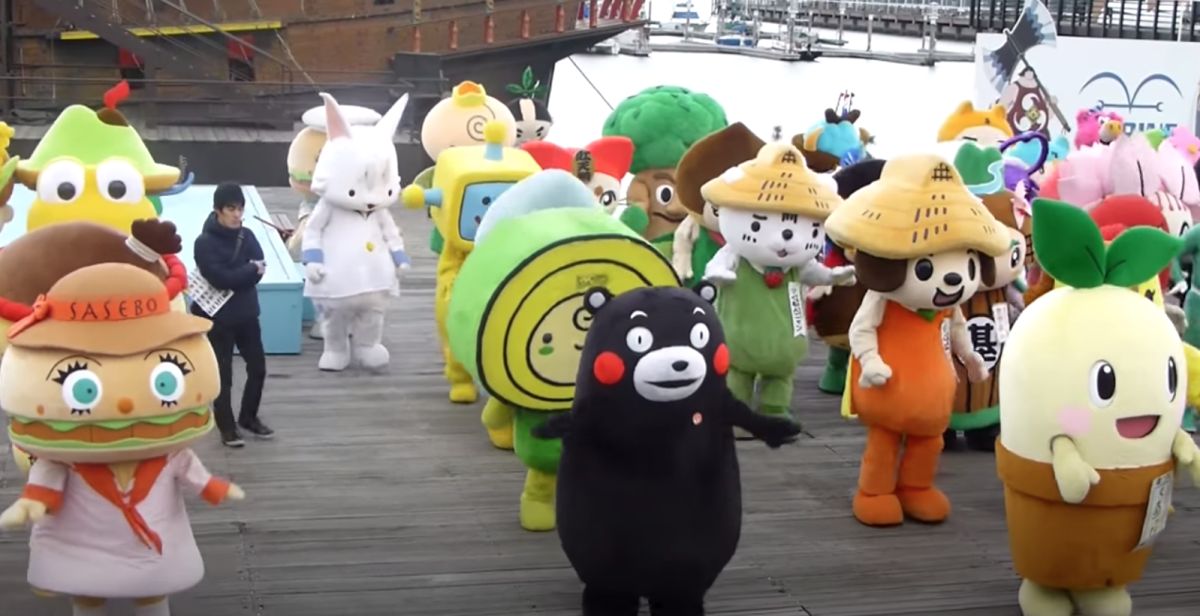
Yuru Chara: The Mascots That Built Japan’s Soft Power
Japan’s yuru-chara mascots, deeply rooted in cultural tradition, vary in success. Notable examples like Kumamon and Hikonyan exemplify effective branding, while many fail due to oversaturation and lack of strategic planning.

Milano-Cortina 2026: Japan’s Historic Winter Olympic Wins
#WinterOlympics #MilanoCortina2026 #TeamJapan How many medals did Japan win at the 2026 Winter Olympics?Japan won 24 medals at the Milano-Cortina 2026 Winter Olympics: 5 gold, 7 silver, and 12 bronze — a new national record. (adsbygoogle = window.adsbygoogle…

How TV Asahi Built Trust Through Longevity in Programming
TV Asahi, since 1959, has shaped Japanese television with influential programs and notable figures, navigating public scrutiny.

Tohoku ‘s Rich Heritage: From Samurai to Spirituality
Tōhoku’s rich history of samurai, resilience, and cultural identity thrives amid recovery from the Great East Japan Earthquake.

Hokkaido : From Ainu Heritage to Modern Cinema
Hokkaidō, Japan’s northern frontier, showcases Ainu culture, modern development, and is a popular setting in Japanese media and tourism.

Kyushu and Okinawa: A Journey Through Japan’s Heritage and Nature
Episode 7 – Kyushu & Okinawa: Volcanoes, Empires, Sanctuaries, and Island Identity Historical Perspective Kyushu – Japan’s Gateway to the World Kyushu is one of Japan’s oldest cultural regions and has historically served as the entrance point for…

Fuji TV’s Impact on Japanese Pop Culture
Fuji Television, founded in 1957, transformed Japanese media with innovative programmes, facing challenges and evolving strategies.

Chūgoku Region: From Peace Memorials to Anime Inspiration
The Chūgoku region covers the entire western tip of Honshu. Web Japan describes it as mountainous, with many small basins and coastal plains, and notes that the Seto Inland Sea coast is the main industrial and commercial belt,…

Exploring Shikoku: Japan’s Pilgrimage Island and Cultural Heart
Shikoku: Pilgrimage Island, Folklore Heartland, & Japan’s Rural Soul Shikoku — composed of Tokushima, Kagawa, Ehime, and Kochi — is Japan’s fourth-largest island and historically the least urbanized of the main islands. Web Japan’s regional overview notes that…

Kansai’s Hidden Gems: Beyond the Crowds
Kansai: Merchants, Ports, and Sacred Mountains (Osaka, Kobe, Wakayama) The Kansai / Kinki region is the cradle of much of what we now call “traditional Japanese culture.” Web Japan notes that the Kinki region, in west-central Honshu, is…

Chūbu: Cultural Heritage and Natural Wonders of Japan
Historical Perspective Chūbu, located at the center of Honshu, is the region where Japan’s natural might and historical depth converge. According to Web Japan’s regional and geography materials, Chūbu is often called “the Roof of Japan” due to…

A Year of Matsuri: Japan’s Celebratory Calendar
Japan’s festival culture is one of the oldest uninterrupted cultural traditions on Earth. Before neon cities and global pop culture, Shintō rites shaped the daily cadence of ancient villages. People prayed for harvests, honored ancestral spirits, and marked…

Guide to Theme Parks in Japan – The Best Parks
From Edo-Era Spectacle to Modern Fantasy Japan’s theme parks did not appear overnight. Their roots stretch back to the Edo period, when traveling troupes, kabuki actors, and street performers animated the cities with extraordinary artistry. As modernization swept…

How Japan Celebrates Christmas: A Romantic Twist
Christmas in Japan vs. Christmas Around the World Winter’s lantern glows differently in every land—Japan paints it with quiet romance, while other cultures cradle it in faith, family, and ancient tradition. Historical Perspective Christmas first entered Japan in…
Discover more from Jdramatastic
Subscribe to get the latest posts sent to your email.