

Episode 2 – Kyoto & Nara: The Cradle of Classical Japan and the Soul of Japanese Storytelling
Historical Perspective

Nara was established as Japan’s first permanent capital in 710. According to the official Japan Atlas, it thrived for about 74 years. The capital was moved to Nagaoka in 784 and then to Kyoto a decade later. During this period, Nara became a centre of Buddhist scholarship. It also saw significant temple construction. Tōdai‑ji and Hōryū‑ji are among its architectural treasures. These sites laid the foundation for Japanese religious architecture and remain essential backdrops for historical dramas.

Kyoto, founded in 794 as Heian‑kyō, remained the imperial seat for over a thousand years. According to Web Japan, the city became a “virtual storehouse of national treasures.” It fostered court poetry, rituals, and arts that shaped Japanese aesthetic ideals. Classical literature like The Tale of Genji thrived here. Arts such as noh theatre and tea ceremony also flourished. This gave Kyoto an enduring role in Japan’s cultural memory.
Together, Kyoto and Nara cradle the origins of Japanese spirituality, literature, and aesthetics. Their temples, shrines and festivals continue to influence modern Japanese dramas, films, and storytelling.
Kyoto & Nara in the Japanese Entertainment Industry

- Kyoto remains the heart of Japan’s period‑drama industry. Filmmakers can shoot authentic Edo‑ and Heian‑period scenes at the Toei Kyoto Studio Park. They also use preserved districts like Gion and Higashiyama without digital reconstruction. These areas appear frequently in NHK’s Taiga dramas and jidaigeki films.
- Nara’s temples and forested paths provide a mystical atmosphere used for dramas set in ancient Japan or exploring spiritual themes. Hōryū‑ji, the world’s oldest surviving wooden structure, often features in documentaries and historical reenactments.
Overcrowded Spots vs. Meaningful Outskirts
The Japan National Tourism Organization (JNTO) warns that central Kyoto and Nara suffer significant congestion. Visitors often queue for hours at Fushimi Inari Taisha, Kiyomizu‑dera, Arashiyama’s Bamboo Grove, or Nara Park. Below are more sustainable alternatives, drawn from JNTO’s official guides:
Kyoto – Overcrowded Spots
- Fushimi Inari Taisha: Famous for its thousands of red torii; extremely busy year‑round.
- Kiyomizu‑dera & Higashiyama: Narrow streets draw large tour groups.
- Arashiyama Bamboo Grove: Congested during daylight hours.
- Gion District & Sannenzaka/Ninenzaka: Traditional neighbourhoods facing overtourism; photography restrictions now apply.
Kyoto – Meaningful Outskirts
JNTO suggests exploring rural and coastal areas to experience Kyoto’s heritage without crowds:
- Miyama & Keihoku: Northern Kyoto villages with thatched‑roof farmhouses.
- Amanohashidate: A scenic sandbar on the Sea of Japan, considered one of Japan’s three most beautiful views.
- Uji: Birthplace of matcha culture, home to Byōdō‑in Temple (UNESCO site).
- Ohara: Mountain temples and tranquil gardens perfect for autumn foliage.
Nara – Overcrowded Spots
- Nara Park & Tōdai‑ji: Crowded around the Great Buddha Hall.
- Kasuga Taisha: Congested lantern paths and pilgrimage routes.
- Hōryū‑ji Vicinity: Groups flock to the UNESCO‑listed temple.
Nara – Meaningful Outskirts
JNTO recommends these quieter areasjapan.travel:
- Ikaruga: Home to Hōryū‑ji and Hokiji Temples.
- Saidaiji & Akishino: Moss gardens and ancient temple routes.
- Yamatokoriyama: Castle town with a historic goldfish industry.
- Mt. Shigi & Kuragari‑toge: Pilgrimage trails and scenic hikes.
These lesser‑visited sites offer cultural depth, serenity, and authentic experiences away from the crowds.
Kyoto’s Accommodation Tax Increase and How Travellers Can Adapt
Kyoto has announced a significant rise in its accommodation tax starting 1 March 2026. Travel + Leisure reports that the city’s government will raise the fee to fund preservation and ease congestion. Under the new system, which scales with room price, guests will pay:
- ¥200 per person, per night for rooms under ¥6,000
- ¥400 per person, per night for rooms between ¥6,000 and ¥19,999
- ¥1,000 per person, per night for rooms priced ¥20,000–49,999
- ¥4,000 per person, per night for rooms ¥50,000–99,999
- ¥10,000 (about US $65) per person, per night for luxury rooms above ¥100,000
Kyoto’s government says the additional revenue will be used to “enhance attractions” and improve public infrastructure to manage overtourism. Travel + Leisure notes that earlier versions of the tax included waivers for school groups and reductions during emergencies.
How Tourists Can Minimise or Avoid the Tax

- Stay in Osaka or other nearby cities and day‑trip to Kyoto. The Points Guy observes that travellers who stay in Osaka can evade Kyoto’s accommodation tax completely. They can still reach Kyoto easily by train. Osaka’s lodging is often cheaper, and the train from Osaka to Kyoto costs around ¥410 each way.
- Choose cheaper accommodation. The tax is calculated per person based on the nightly rate. Staying in rooms under ¥20,000 keeps the tax between ¥200 and ¥400. Higher‑priced ryokan stays or luxury hotels incur significantly higher taxes.
- Consider alternative bases in Kyoto Prefecture. Travel bloggers (such as Japlanease) suggest staying in nearby towns like Uji, which is within 30–60 minutes by train from Kyoto and offers traditional tea culture; or limiting ryokan stays to one night. Although these suggestions come from a blog rather than a news outlet, they illustrate how staying outside central Kyoto can reduce the tax burden.
- Use points for hotel bookings. The Points Guy notes that some award bookings may not trigger the tax, although policies vary by hotel; travellers should check with their loyalty programs.
While these strategies help manage costs, most travellers will still pay a modest tax (¥200–¥400). Travel + Leisure highlights that the tax revenue is intended to preserve Kyoto’s heritage. It also aims to ease crowding. Paying a small fee supports sustainable tourism.
Sources
- Web Japan – Regions of Japan (Kinki region): details on Nara’s tenure as capital web-japan.org.
- Travel + Leisure: article confirming the new tax rates, maximum ¥10,000 fee, and the tax’s purpose travelandleisure.com
- Time Out Osaka: tax breakdown showing the tiered increases and explaining that revenues will fund infrastructure and congestion measures timeout.com.
- The Points Guy: notes that travellers can avoid the tax by staying in Osaka or other cities and commuting to Kyoto thepointsguy.com
- JNTO (Japan Travel): sections highlighting less‑crowded destinations in Kyoto and Nara and encouraging early visits to popular sites japan.travel
Travel Guide recommendation:

You can explore the Lonely Planet Japan travel guide here.
Other posts

Why Japanese Dramas Feel So Real: The Culture Behind the Emotions
Japanese dramas utilise silence, emotional restraint, and nuanced storytelling to create realistic narratives, resonating with audiences seeking authenticity in life experiences.

Yuru Chara: The Mascots That Built Japan’s Soft Power
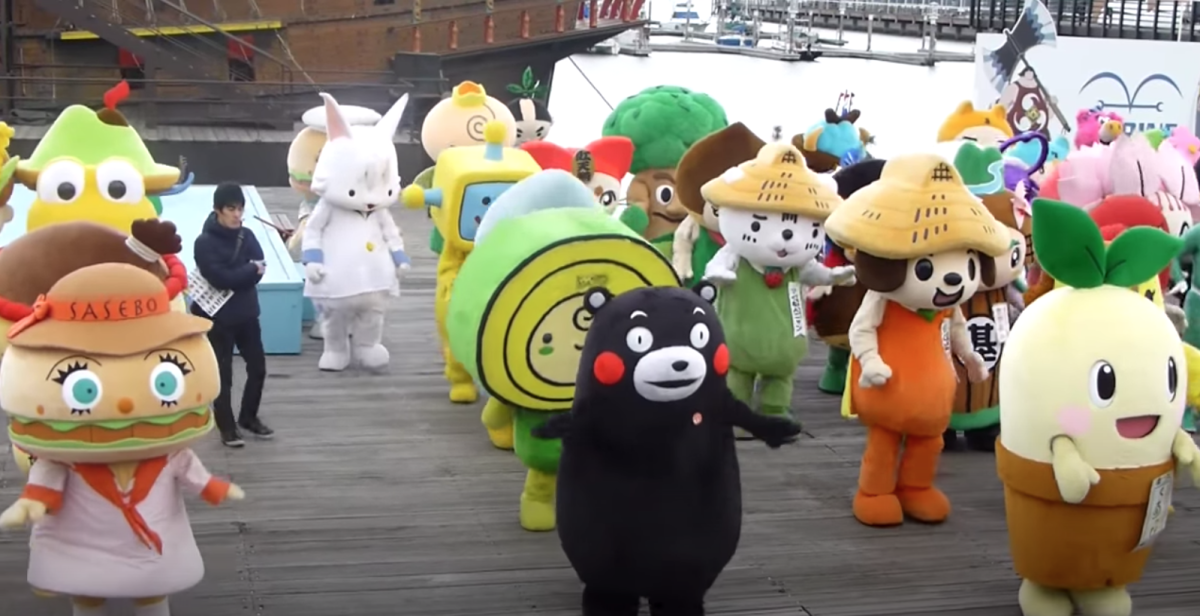
Japan’s yuru-chara mascots, deeply rooted in cultural tradition, vary in success. Notable examples like Kumamon and Hikonyan exemplify effective branding, while many fail due to…

Milano-Cortina 2026: Japan’s Historic Winter Olympic Wins
#WinterOlympics #MilanoCortina2026 #TeamJapan How many medals did Japan win at the 2026 Winter Olympics?Japan won 24 medals at the Milano-Cortina 2026 Winter Olympics: 5 gold,…

How TV Asahi Built Trust Through Longevity in Programming
TV Asahi, since 1959, has shaped Japanese television with influential programs and notable figures, navigating public scrutiny.

Tohoku ‘s Rich Heritage: From Samurai to Spirituality
Tōhoku’s rich history of samurai, resilience, and cultural identity thrives amid recovery from the Great East Japan Earthquake.

Hokkaido : From Ainu Heritage to Modern Cinema
Hokkaidō, Japan’s northern frontier, showcases Ainu culture, modern development, and is a popular setting in Japanese media and tourism.

Kyushu and Okinawa: A Journey Through Japan’s Heritage and Nature
Episode 7 – Kyushu & Okinawa: Volcanoes, Empires, Sanctuaries, and Island Identity Historical Perspective Kyushu – Japan’s Gateway to the World Kyushu is one of…

Fuji TV’s Impact on Japanese Pop Culture
Fuji Television, founded in 1957, transformed Japanese media with innovative programmes, facing challenges and evolving strategies.

Chūgoku Region: From Peace Memorials to Anime Inspiration
The Chūgoku region covers the entire western tip of Honshu. Web Japan describes it as mountainous, with many small basins and coastal plains, and notes…

Exploring Shikoku: Japan’s Pilgrimage Island and Cultural Heart
Shikoku: Pilgrimage Island, Folklore Heartland, & Japan’s Rural Soul Shikoku — composed of Tokushima, Kagawa, Ehime, and Kochi — is Japan’s fourth-largest island and historically…
Discover more from Jdramatastic
Subscribe to get the latest posts sent to your email.




Pingback: Things You Should Never Do in Japan — Public Transport Etiquette Explained - Jdramatastic
Pingback: Protecting Geisha Culture: Tourism and Its Impact - Jdramatastic