

🚇 Episode 2 — Public Transport: The Silent Rules You Should Never Break
Japan’s train system is world-famous — punctual, efficient, and almost magically quiet.
But for locals, it’s more than just transportation. It’s a shared social space that reflects respect for others.
Here’s what many tourists get wrong on Japan’s subways, bullet trains, and buses. These small actions can make a big difference.
🚫 1. Don’t Talk Loudly or Make Phone Calls
Conversations and phone calls are kept at a whisper — or avoided entirely.
The quietness isn’t shyness; it’s consideration for everyone around you.
📵 Why it matters: loud talking breaks the unspoken rule of public harmony (meiwaku – causing trouble for others).
Even small noise feels amplified in Japan’s quiet trains.
🚫 2. Don’t Eat or Drink on Regular Trains
While you can enjoy your bento box on the Shinkansen (bullet train), eating on local trains or subways is a big no.
Crumbs, smells, or wrappers disturb the shared cleanliness.
🍱 Why it matters: Japan takes pride in spotless public spaces — even minor messes can feel inconsiderate.
🚫 3. Don’t Block the Doors or Stand in the Middle
When trains arrive, passengers always wait for people to exit first.
Standing in the doorway or rushing in before others get out is seen as rude.
🚪 Why it matters: efficiency and politeness go hand in hand — the system depends on smooth flow.
🚫 4. Don’t Use Priority Seats (Unless You Qualify)
Seats marked in orange or labeled “Priority” are for the elderly, pregnant, or disabled.
Even if the train looks empty, sit there only if no one else needs it.
🪑 Why it matters: respect for the vulnerable is a deeply rooted value in Japan.
Pretending not to see someone who needs it more is socially unacceptable.
🚫 5. Don’t Block Escalators or Walkways
In Tokyo, people stand on the left side and walk on the right (Osaka is opposite).
It’s all about rhythm — people move fast and efficiently.
🚶 Why it matters: slowing down or blocking paths creates meiwaku — an inconvenience to everyone behind you.
✅ How to Do It Right
- Keep voices low and set phones to manner mode (マナーモード).
- Step aside from the train doors while waiting.
- Line up neatly where floor markings show.
- Eat before or after your ride unless you’re on a Shinkansen.
- Always be mindful of your surroundings — Japan’s politeness begins with awareness.
🌸 Final Thought
On Japanese trains, silence isn’t awkward — it’s a form of respect.
Following these small, unspoken rules changes you from a tourist into a traveler. Such a traveler truly understands the culture of wa (harmony).
So next time you board a train in Tokyo or Kyoto — let quietness speak for you.
Some websites for reference in tourism and culture:
Japan National Tourism Organization (JNTO) Official website: https://www.japan.travel/en/
Japan Tourism Agency Official website: https://www.mlit.go.jp/kankocho/en/
Kyoto City Tourism Association Official site: https://kyoto.travel/en
Osaka Convention & Tourism Bureau Official site: https://osaka-info.jp/en/
Tokyo Convention & Visitors Bureau Official site: https://www.gotokyo.org/en/
other posts :

Why Japanese Dramas Feel So Real: The Culture Behind the Emotions
Japanese dramas utilise silence, emotional restraint, and nuanced storytelling to create realistic narratives, resonating with audiences seeking authenticity in life experiences.

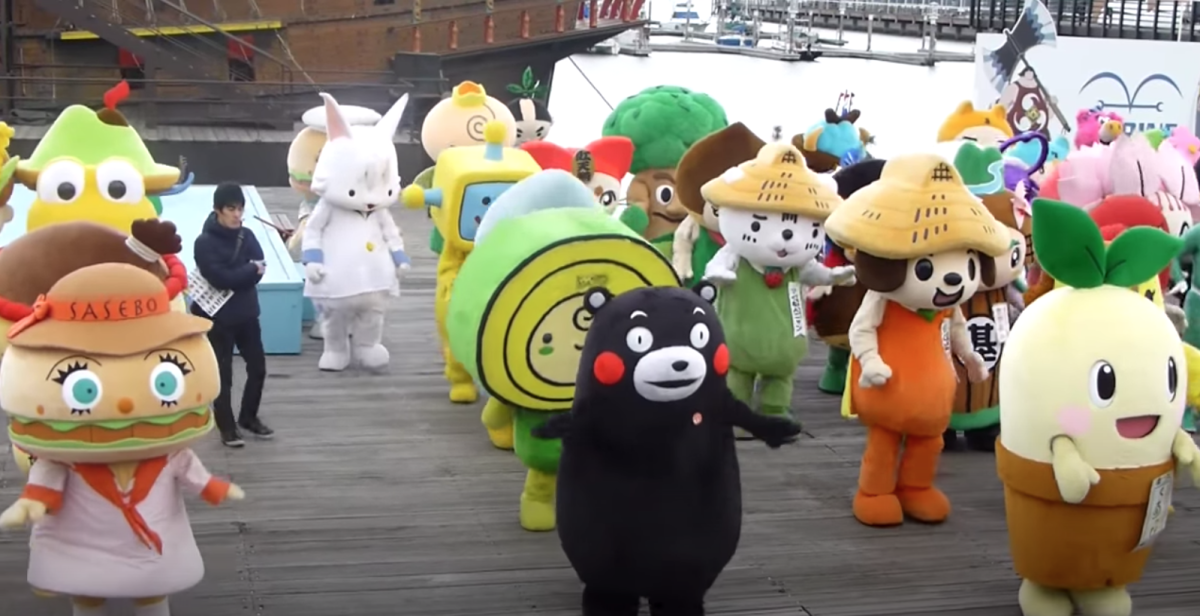
Yuru Chara: The Mascots That Built Japan’s Soft Power
Japan’s yuru-chara mascots, deeply rooted in cultural tradition, vary in success. Notable examples like Kumamon and Hikonyan exemplify effective branding, while many fail due to oversaturation and lack of strategic planning.

Milano-Cortina 2026: Japan’s Historic Winter Olympic Wins
#WinterOlympics #MilanoCortina2026 #TeamJapan How many medals did Japan win at the 2026 Winter Olympics?Japan won 24 medals at the Milano-Cortina 2026 Winter Olympics: 5 gold, 7 silver, and 12 bronze — a new national record. (adsbygoogle = window.adsbygoogle || []).push({});…

How TV Asahi Built Trust Through Longevity in Programming
TV Asahi, since 1959, has shaped Japanese television with influential programs and notable figures, navigating public scrutiny.

Tohoku ‘s Rich Heritage: From Samurai to Spirituality
Tōhoku’s rich history of samurai, resilience, and cultural identity thrives amid recovery from the Great East Japan Earthquake.

Hokkaido : From Ainu Heritage to Modern Cinema
Hokkaidō, Japan’s northern frontier, showcases Ainu culture, modern development, and is a popular setting in Japanese media and tourism.

Kyushu and Okinawa: A Journey Through Japan’s Heritage and Nature
Episode 7 – Kyushu & Okinawa: Volcanoes, Empires, Sanctuaries, and Island Identity Historical Perspective Kyushu – Japan’s Gateway to the World Kyushu is one of Japan’s oldest cultural regions and has historically served as the entrance point for continental influence…

Fuji TV’s Impact on Japanese Pop Culture
Fuji Television, founded in 1957, transformed Japanese media with innovative programmes, facing challenges and evolving strategies.

Chūgoku Region: From Peace Memorials to Anime Inspiration
The Chūgoku region covers the entire western tip of Honshu. Web Japan describes it as mountainous, with many small basins and coastal plains, and notes that the Seto Inland Sea coast is the main industrial and commercial belt, while large…

Exploring Shikoku: Japan’s Pilgrimage Island and Cultural Heart
Shikoku: Pilgrimage Island, Folklore Heartland, & Japan’s Rural Soul Shikoku — composed of Tokushima, Kagawa, Ehime, and Kochi — is Japan’s fourth-largest island and historically the least urbanized of the main islands. Web Japan’s regional overview notes that forests cover…

Kansai’s Hidden Gems: Beyond the Crowds
Kansai: Merchants, Ports, and Sacred Mountains (Osaka, Kobe, Wakayama) The Kansai / Kinki region is the cradle of much of what we now call “traditional Japanese culture.” Web Japan notes that the Kinki region, in west-central Honshu, is Japan’s second…

Chūbu: Cultural Heritage and Natural Wonders of Japan
Historical Perspective Chūbu, located at the center of Honshu, is the region where Japan’s natural might and historical depth converge. According to Web Japan’s regional and geography materials, Chūbu is often called “the Roof of Japan” due to the towering…
Discover more from Jdramatastic
Subscribe to get the latest posts sent to your email.





Pingback: Protecting Geisha Culture: Tourism and Its Impact - Jdramatastic