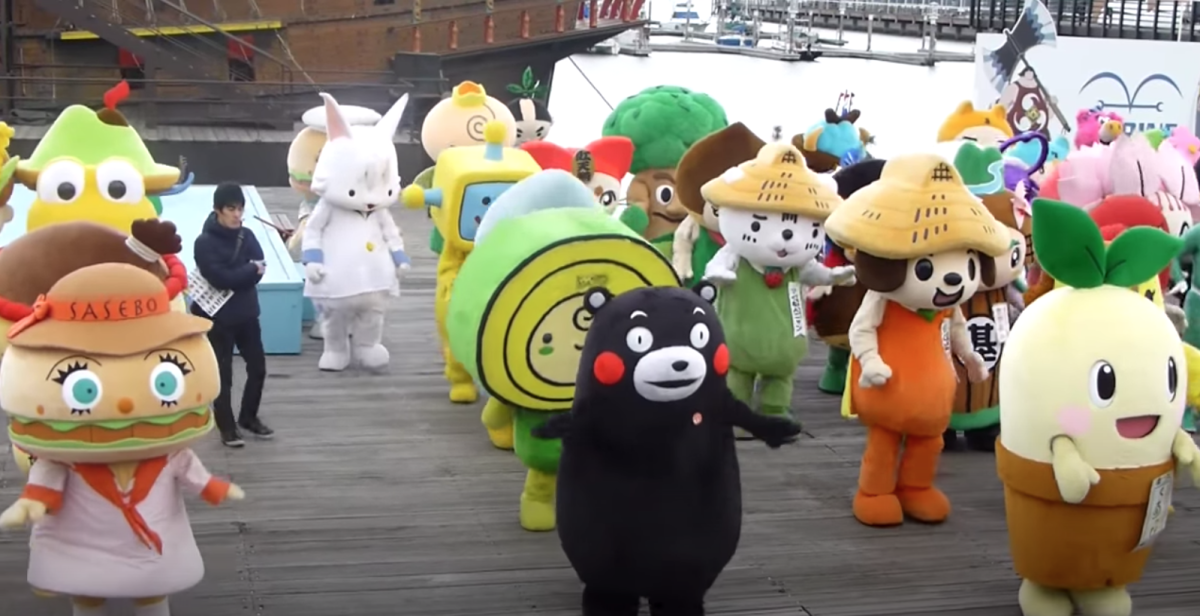
Japan’s festival culture is one of the oldest uninterrupted cultural traditions on Earth. Before neon cities and global pop culture, Shintō rites shaped the daily cadence of ancient villages. People prayed for harvests, honored ancestral spirits, and marked the turning of seasons with dance, music, and fire. Over centuries, matsuri (祭り) evolved. They blended court rituals, Buddhist influences, regional customs, and local legends. This created a vibrant annual cycle that still pulses through modern Japan.
Today, these festivals form an unbroken bridge between past and present—fierce, tender, spiritual, and exuberantly alive. This annual calendar is more than a timetable; it is the beating heart of Japan’s cultural identity.
January — Renewal and Sacred Beginnings

Shōgatsu (New Year) — Nationwide
Japan’s most important observance. Families perform hatsumōde, write their wishes, welcome ancestral blessings, and begin the year with purification and hope.
Dezomeshiki — Tokyo
Firefighters perform acrobatic ladder stunts and parades in a tradition dating back to the Edo-era hikeshi fire brigades.
February — Winter Fire and Thresholds
Setsubun — Nationwide

A ritual marking the transition between seasons. Beans are thrown to banish misfortune and call in good luck.
Sapporo Snow Festival — Hokkaidō
One of Japan’s largest winter celebrations, where entire districts become illuminated landscapes of ice and snow.
March — Rebirth, Dolls, and Ancient Flames
Hinamatsuri — Nationwide
Families pray for the happiness, safety, and prosperity of their daughters, decorating homes with intricate hina doll sets.
Omizutori — Nara
A sacred tradition held every March at Tōdaiji’s Nigatsu-dō Hall. Fiery torches sweep across the night sky in a rite of national purification.
April — Flowers, Spirits, and Spring Light
Hanami — Nationwide
More cultural ritual than festival, hanami reflects Japan’s ancient love for impermanence and renewal through the cherry blossoms.
Takayama Spring Festival — Gifu
Renowned for its ornate floats and karakuri mechanical puppets, celebrated since the 17th century.
May — Courtly Elegance and Urban Splendor
Golden Week — Nationwide
A string of national holidays where countless regional matsuri bring life to cities and villages alike.
Kanda Matsuri — Tokyo (odd-numbered years)
Celebrates prosperity and honors the deities of Kanda Myōjin Shrine with grand processions.
Aoi Matsuri — Kyoto
One of Kyoto’s three great festivals, featuring an imperial-style procession rooted in the 6th century.
June — Rains, Rice, and Sacred Agriculture
Rice-Planting Festivals — Nationwide
Shrines across Japan host rice-planting rituals performed in classical court costumes to pray for abundant harvests.
Sannō Matsuri — Tokyo (even-numbered years)
Deeply linked to the Imperial Palace and Hie Shrine, its quiet elegance contrasts with other capital festivals.
July — Lanterns, Heat, and the Height of Summer
Gion Matsuri — Kyoto
A month-long celebration with towering yamaboko floats, master craftsmanship, and centuries-old spiritual meaning.
Tenjin Matsuri — Osaka
Boats adorned with lanterns glide along the river before fireworks crown Osaka’s night sky.
August — The Return of Ancestors
Obon — Nationwide (dates vary by region)

Obon is one of Japan’s most spiritually significant traditions, but not held on the same dates everywhere:
- July 13–16: Eastern Japan, including Tokyo (Shichigatsu Bon)
- August 13–16: Western/Central Japan, including Kansai, Chubu, Tōhoku, Kyushu, Hokkaidō (Hachigatsu Bon)
- Lunar Obon: Select rural regions follow the traditional lunar calendar
Families welcome ancestral spirits, light lanterns, clean graves, and dance bon odori to honor the cycle of life and death.
Nebuta Matsuri — Aomori
Colossal illuminated warrior floats are pulled through the streets in one of Japan’s most dynamic spectacles.
September — Moon, Harvest, and Autumn Wind
Tsukimi — Nationwide
Moon-viewing celebrations rooted in Heian poetry. Offerings of rice dumplings and pampas grass honor autumn’s harvest moon.
Kishiwada Danjiri — Osaka
A thrilling high-speed pull of massive wooden danjiri floats through narrow streets—one of Japan’s most energetic matsuri.
October — Multicultural Echoes and Lantern Nights

Takayama Autumn Festival — Gifu
The autumn counterpart to the spring festival, with glowing lantern-lit floats illuminating historic streets.
Nagasaki Kunchi
A festival blending Japanese, Chinese, and Dutch influences—a reflection of Nagasaki’s unique international legacy.
November — Children, Gratitude, and Majestic Floats
Shichi-Go-San — Nationwide
Celebration for children aged three, five, and seven. Families visit shrines, pray for growth, and dress in vibrant kimono.
Karatsu Kunchi — Saga
Massive hikiyama floats crafted with outstanding detail parade through the city in one of Kyushu’s most iconic festivals.
December — Winter Fire and the Closing of the Year
Chichibu Night Festival — Saitama
Lantern-covered floats, taiko drumming, and winter fireworks set Chichibu’s night sky ablaze.
Ōmisoka (New Year’s Eve) — Nationwide
As the year ends, temples ring their bells 108 times to purify the 108 earthly desires, guiding Japan into a cleansed new year.
Sources
https://www.japan-guide.com
https://www.jnto.go.jp
https://www3.nhk.or.jp/nhkworld
https://www.tourism.jp/en/
https://web-japan.org

Japanese Movie Trends: August 2026
#JapaneseMovies #JapanCinema Japan’s summer movie season has historically been one of the country’s most competitive theatrical periods. School holidays bring families into cinemas, studios schedule some of their largest productions, and…

J-Music Trends: Last 30 Days — Sep 2026
#JMusic #JapanCharts #MusicTrends Overview of the Last 30 Days Public discussion around Japanese music increasingly treats “viral” and “popular” as interchangeable, but August 2026 provides a useful reminder that they measure…

Japan Billboard Hot 100 Highlights — August 2026
#BillboardJapan #Jpop #JapanMusic August 2026 produced four different weekly leaders on the Billboard Japan Hot 100: timelesz opened the month with “消えない花火,” TWS followed with “SODA SODA,” EBiDAN pushed the already-charting…

JO1 in 2026: Members, Music and More
#JO1 #JPop #JapaneseMusic Japanese boy groups have traditionally grown through agency-led training systems, television exposure, physical-record sales and highly developed domestic fandoms. JO1 entered that industry through a different route. Formed…

Japanese Music Trends (Last 30 Days) — August 2026
#JMusic #JapanCharts #MusicTrends Overview of the Last 30 Days Japanese music activity during July 2026 was divided between major new releases and songs gaining renewed visibility through short-form video. TikTok’s weekly…

Japan Billboard Hot 100 Highlights — July 2026
#BillboardJapan #Jpop #JapanMusic Overview July 2026 produced five different weekly leaders on the Billboard Japan Hot 100: ≠ME’s “愛くださいませ,” BE:FIRST’s “Missing,” Snow Man’s “グッタイム,” Number_i’s “BUGS LIFE,” and Nogizaka46’s “是非に及ばず.” Three…

Japan Billboard Hot 100 Highlights — June 2026
#BillboardJapan #Jpop #Jdramatastic Overview June 2026 on the Billboard Japan Hot 100 was defined by fast weekly leadership changes, with CUTIE STREET, JI BLUE, Sakurazaka46, and Kenshi Yonezu each reaching #1…

BE:FIRST: Talent, Awards and New Challenges
#BEFIRST #JPop #JapaneseMusic For decades, the Japanese music industry has been dominated by carefully managed idol groups, talent agencies, and established entertainment systems. While many successful artists have emerged from those…

Japanese Music Trends (Last 30 Days) June 2026
#JMusic #JapanCharts #MusicTrends Overview of the Last 30 Days Japanese music trends over the past month have continued to be shaped by three dominant forces: sustained streaming performance, anime and television…

Japan Billboard Hot 100 Highlights — May 2026
BillboardJapan #Jpop #JapanMusic Overview May 2026 was one of the most competitive months on the Billboard Japan Hot 100. Four weekly charts produced multiple leadership changes, major idol-group debuts, and continued…

Billboard Japan’s Longest-Running Songs
#BillboardJapan #JapaneseMusic #Jdramatastic The newest Billboard Japan Hot 100 update released today highlighted one of the biggest realities of the modern Japanese music industry: true success is no longer measured only…

Japan Billboard Hot 100 Highlights — April 2026
#Jpop #BillboardJapan #MusicTrends Overview April 2026 on the Billboard Japan Hot 100 was defined by extreme weekly turnover at the top combined with structural stability across the mid-chart. Across five consecutive…

Top Japanese Movies Trending Now (April 2026)
#JapaneseMovies #JdramaCulture #JapanEntertainment Historically, Japanese cinema has oscillated between auteur-driven storytelling and commercially driven franchise systems. According to industry tracking trends from sources like Oricon and Kogyo Tsushinsha, the current landscape…

Why Japanese Dramas Feel So Real: The Culture Behind the Emotions
Japanese dramas utilise silence, emotional restraint, and nuanced storytelling to create realistic narratives, resonating with audiences seeking authenticity in life experiences.

March 2026 Billboard JAPAN Hot 100 Highlights
March 2026 featured fewer, yet impactful, music releases dominating the Billboard JAPAN Hot 100 charts.
Discover more from Jdramatastic
Subscribe to get the latest posts sent to your email.