Introduction
Japan welcomes millions of visitors every year — but not all of them understand local customs.
In places ranging from sacred shrines to quiet alleys in Kyoto, a few tourists have gone viral. They crossed the line between curiosity and disrespect.
Here’s a look at the most talked-about cases that shocked Japan. We explore why they matter. We also examine the consequences faced by the tourists.
🏯 1. The “Torii Gymnast” at Kyoto’s Nonomiya Shrine (2024)

A Chilean influencer posted a video doing pull-ups on the torii gate at Kyoto’s Nonomiya Shrine.
In Shinto belief, a torii marks the border between the human world and the divine. Climbing it is seen as disrespectful to the gods.
The video went viral on X (formerly Twitter) and TikTok, sparking outrage from locals.
She later apologized publicly. Authorities reminded that desecrating a religious site can lead to fines or arrest under Japan’s Penal Code Article 188.
🎥 2. “Johnny Somali” — Livestream Gone Too Far (Osaka, 2023)
An American streamer known online as Johnny Somali gained infamy. He harassed people on the streets of Osaka. He also made offensive comments about the atomic bomb.
He was later arrested for trespassing at a construction site while livestreaming.
The incident became a national headline and symbolized Japan’s frustration with social-media influencers ignoring local manners.
He faced up to three years in prison and widespread online condemnation.

🕍 3. Meiji Shrine Vandalism in Tokyo (2024)
A U.S. tourist was caught scratching family names into a wooden pillar at Tokyo’s Meiji Shrine.
Police arrested him promptly for property damage, and he claimed it was a “harmless prank.”
For the Japanese public, it felt like an insult to a place that symbolises national spirituality and peace.
💃 4. Dancing on the Fujikyu Railway (2023)
A group of foreign tourists filmed themselves dancing inside a Fujikyu Railway train, ignoring rules against loud or disruptive behavior.
The video drew criticism online and from passengers.
The railway company later announced it was considering legal action. It reminded visitors that public transport in Japan is a quiet shared space. It is not a stage.
🎎 5. Harassment in Kyoto’s Gion Geisha District (2023–2024)
In Kyoto’s historic Gion district, visitors began chasing geisha and maiko. They took photos of them and often touched them in the process.
After multiple complaints and viral videos, local authorities responded. They banned tourists from private alleys. They also put up “Stay Out” signs to protect residents.
As one Kyoto local said: “Geisha are professionals, not theme-park performers.”
This case became a turning point in Japan’s discussion about over-tourism and respect.
🗻 6. The Mount Fuji Black Screen (2024)
In the town of Fujikawaguchiko, tourists kept standing on private property and blocking traffic to photograph Mount Fuji.
Frustrated locals finally installed a black mesh barrier. It was meant to block the view from a convenience store. This was a drastic but symbolic move to stop the chaos.
The site was once a popular photo spot. Now, it is a cautionary tale of how small misbehaviors can change an entire community.
Why These Stories Matter
What outsiders see as “fun” can be seen as disrespect in Japan.
Public peace, cleanliness, and harmony are deeply valued. When those rules are broken, reactions can be swift and severe.
Consequences have ranged from fines, arrests, deportations, and public shaming to new laws restricting access to sensitive areas.
Japan’s tourism ministry has even started using new pictogram signs to teach travellers how to behave. The pictograms remind them not to eat while walking. They also advise against littering and filming strangers.
✈️ Final Thoughts
These viral moments are reminders that travel isn’t just about taking photos — it’s about understanding the culture you’re in.
Respect goes a long way in Japan. It helps keep the country’s quiet beauty intact.
This ensures everyone can enjoy it.
🌸 About Travel Etiquette in Japan
Japan is one of the world’s most visited countries, loved for its safety, beauty, and deep respect for harmony.
But that same harmony — called wa (和) — depends on everyone following quiet, considerate manners.
Simple gestures like keeping your voice low, not touching sacred objects, and following local rules show appreciation for Japan’s culture.

At Jdramatastic, we explore Japanese entertainment and pop culture. We also discuss how visitors can experience Japan respectfully and responsibly.
Understanding why eating while walking is frowned upon is important. It is also important to know why geisha alleys are off-limits. Learning these customs helps preserve the charm that makes Japan unique.
Etiquette & Culture Reading Recommendation
Understanding Japanese etiquette goes beyond memorizing rules. These guides offer practical explanations and cultural context that help readers navigate everyday situations respectfully, from dining etiquette to social interactions in public and professional settings.

You can explore The Do’s and Don’ts of Japan for practical, up-to-date etiquette guidance here.


Why Japanese Dramas Feel So Real: The Culture Behind the Emotions
Japanese dramas utilise silence, emotional restraint, and nuanced storytelling to create realistic narratives, resonating with audiences seeking authenticity in life experiences.

Yuru Chara: The Mascots That Built Japan’s Soft Power
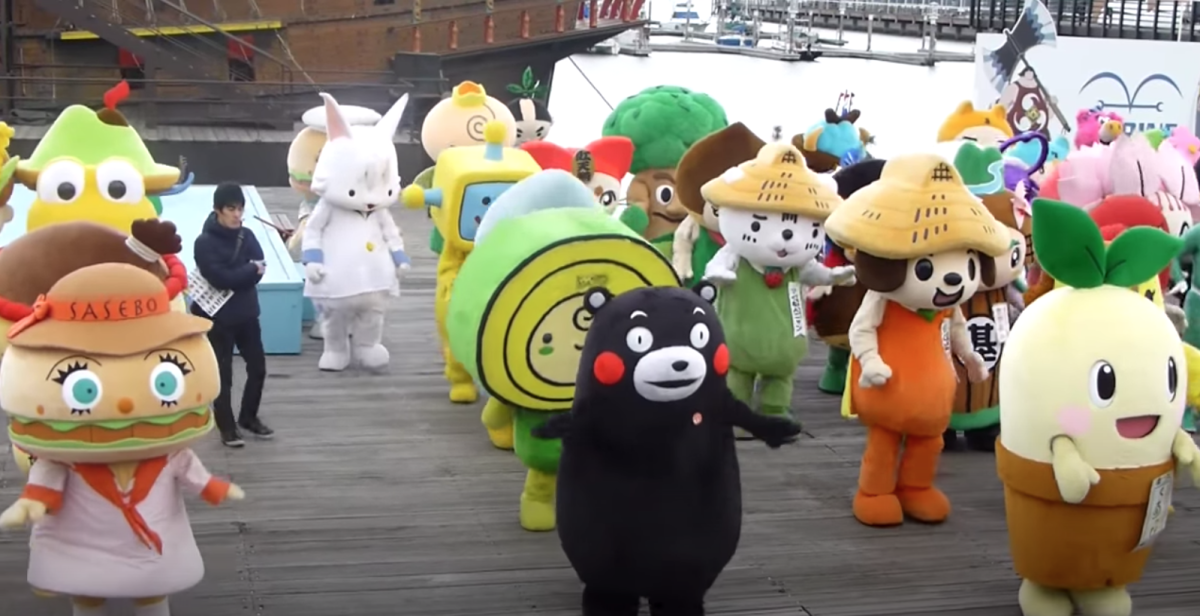
Japan’s yuru-chara mascots, deeply rooted in cultural tradition, vary in success. Notable examples like Kumamon and Hikonyan exemplify effective branding, while many fail due to oversaturation and lack of strategic…

Milano-Cortina 2026: Japan’s Historic Winter Olympic Wins
#WinterOlympics #MilanoCortina2026 #TeamJapan How many medals did Japan win at the 2026 Winter Olympics?Japan won 24 medals at the Milano-Cortina 2026 Winter Olympics: 5 gold, 7 silver, and 12 bronze…

How TV Asahi Built Trust Through Longevity in Programming
TV Asahi, since 1959, has shaped Japanese television with influential programs and notable figures, navigating public scrutiny.

Tohoku ‘s Rich Heritage: From Samurai to Spirituality
Tōhoku’s rich history of samurai, resilience, and cultural identity thrives amid recovery from the Great East Japan Earthquake.

Hokkaido : From Ainu Heritage to Modern Cinema
Hokkaidō, Japan’s northern frontier, showcases Ainu culture, modern development, and is a popular setting in Japanese media and tourism.

Kyushu and Okinawa: A Journey Through Japan’s Heritage and Nature
Episode 7 – Kyushu & Okinawa: Volcanoes, Empires, Sanctuaries, and Island Identity Historical Perspective Kyushu – Japan’s Gateway to the World Kyushu is one of Japan’s oldest cultural regions and…

Fuji TV’s Impact on Japanese Pop Culture
Fuji Television, founded in 1957, transformed Japanese media with innovative programmes, facing challenges and evolving strategies.

Chūgoku Region: From Peace Memorials to Anime Inspiration
The Chūgoku region covers the entire western tip of Honshu. Web Japan describes it as mountainous, with many small basins and coastal plains, and notes that the Seto Inland Sea…
Discover more from Jdramatastic
Subscribe to get the latest posts sent to your email.